Smart vending machines are transforming how enterprises manage IT equipment — and if you have been searching for a clear, practical explanation of what they are and how they work, you are in the right place. This guide covers everything: what a smart vending machine is, how it works, what goes inside one, and why IT teams across the UK and beyond are adopting them at speed.
What Is a Smart Vending Machine?
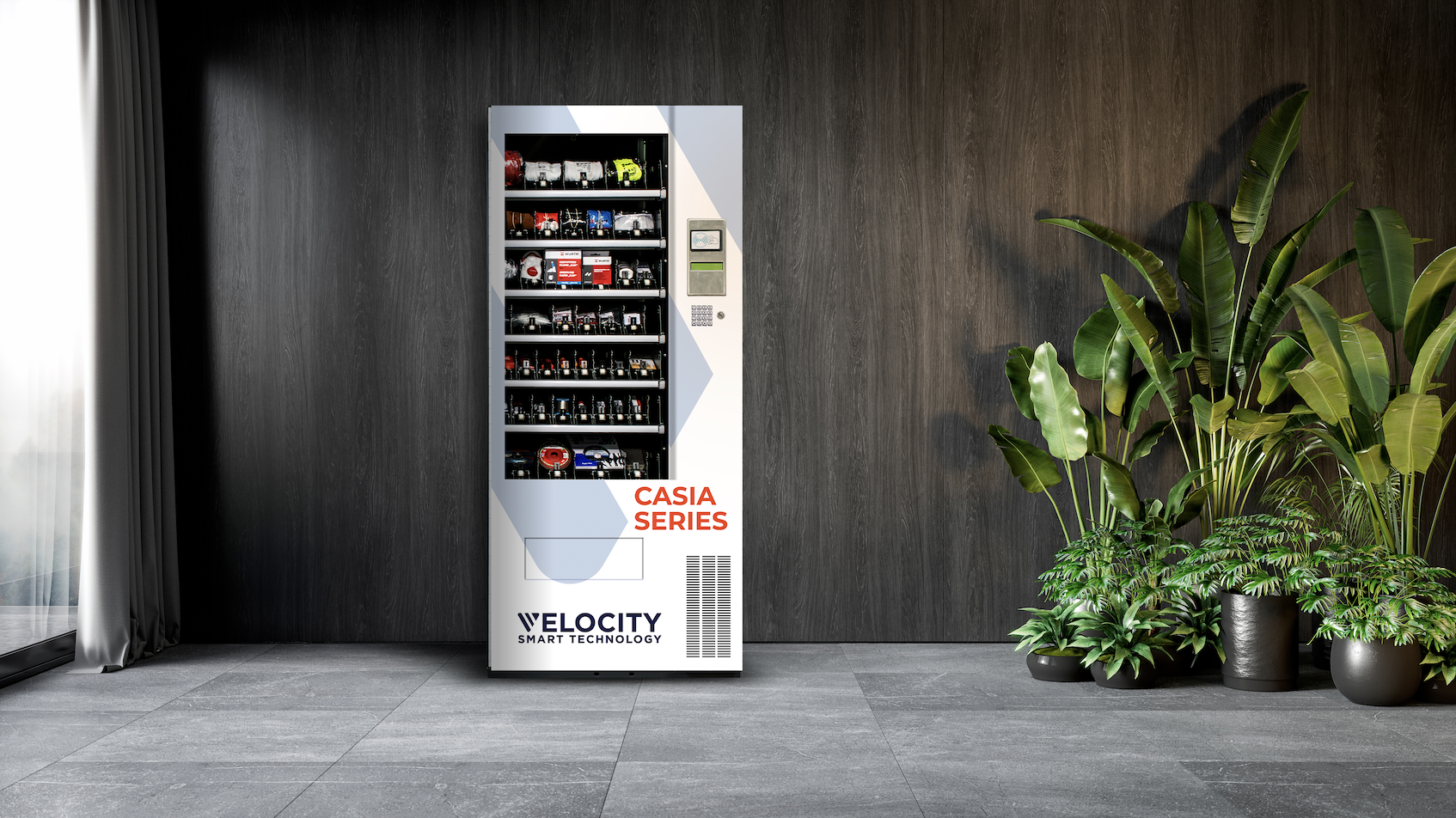
A smart vending machine is an intelligent, networked dispensing unit that automates the secure distribution and tracking of physical items. Unlike a traditional vending machine — which dispenses snacks or drinks anonymously in exchange for payment — a smart vending machine authenticates each user, logs every transaction, and syncs data with your wider systems in real time.
In an IT context, smart vending machines are used to dispense and track peripherals, consumables, PPE, and in some cases full devices such as laptops and tablets. Employees can collect what they need, at any time, without raising a support ticket or waiting for an IT team member to assist them.
How Does a Smart Vending Machine Work?
The process is straightforward from the employee's perspective — and highly sophisticated behind the scenes:
• The employee authenticates at the machine using their ID card, QR code, RFID badge, or PIN
• The machine checks their entitlements and confirms what they are allowed to collect
• The selected item is dispensed from the appropriate lane or compartment
• The transaction is logged automatically — user, item, time, location
• Asset records are updated in real time in your ITSM or asset management system
• Restock alerts are triggered when inventory drops below threshold
With Velocity Smart Vending, every one of these steps is handled through the Velocity Smart Collect™ platform — the world's only Built On Now certified ServiceNow integration for smart vending and locker technology. This means every dispense event automatically creates a service request, updates the CMDB, and flows through your existing approval and fulfilment workflows without any manual input.
What Are the Benefits of Smart Vending Machines for IT?
The case for smart vending machines in IT environments is compelling. Here is what enterprises consistently report after deployment:
• Hardware support tickets reduced by 45–60% — employees self-serve instead of raising requests
• Zero lost assets — every item dispensed is logged against a named user
• 24/7 access to equipment — no dependency on IT staff availability
• Real-time stock visibility — know exactly what is in every machine at all times
• Faster onboarding — new starters collect day-one equipment without IT involvement
• Reduced IT staff workload — teams focus on higher-value work rather than manual kit distribution
Smart Vending Machine vs Traditional Vending Machine
Traditional vending machines operate on a simple, anonymous model: insert payment, press button, receive item. There is no authentication, no logging, no integration with any system, and no tracking of who took what. This model works for snacks and drinks — it does not work for enterprise IT assets.
Smart vending machines are fundamentally different. They authenticate users, control access based on entitlements, log every transaction to a named individual, sync with asset management and ITSM platforms, trigger automated workflows, and provide full audit trails. For IT teams, this is the difference between a vending machine and an automated IT service desk.
The Rise of Smart Vending in the Workplace
Smart vending technology in the workplace has accelerated significantly since 2020. The shift to hybrid working, combined with growing pressure on IT teams to do more with less, has made automated hardware distribution a priority for enterprise IT directors and MSPs.
What was once a niche solution used primarily in healthcare and manufacturing is now mainstream in enterprise IT — driven by the need to support distributed workforces, reduce hardware tickets, and eliminate the inefficiency of manual kit distribution. The UK market in particular has seen rapid adoption, with organisations across financial services, professional services, retail, and the public sector deploying smart vending solutions.
Smart Vending Machine Use Cases by Industry
Enterprise IT and MSPs: The primary use case — dispensing peripherals, consumables, and devices to employees across single or multi-site operations, integrated with ServiceNow or other ITSM platforms.
Healthcare: PPE, clinical consumables, and medical devices dispensed securely to authenticated staff — with full compliance audit trails.
Manufacturing and logistics: Tools, safety equipment, and consumables managed automatically on the shop floor — reducing waste and eliminating manual stock checks.
Education: Laptops, chargers, and equipment dispensed to students and staff without administrator involvement.
Retail and facilities: Uniforms, cleaning supplies, and safety equipment managed and tracked automatically across multiple locations.
How to Choose a Smart Vending Machine for Your Business
Not all smart vending machines are equal. When evaluating options, IT decision-makers should consider:
• ITSM integration — does the machine connect natively to your existing service management platform?
• Authentication options — ID card, QR code, RFID, biometric, or PIN?
• Item range — can the machine handle both small consumables and larger devices?
• Scalability — can it grow from a single machine to a multi-site deployment?
• Reporting and analytics — what visibility does it provide over usage and stock?
• Support and SLA — what happens when a machine needs servicing?
Velocity Smart Vending machines are designed specifically for IT environments. The Velocity IDEA range handles items from small USB drives through to full laptop devices, and every machine connects to the Velocity Smart Collect™ platform — the only Built On Now certified ServiceNow application for smart vending and locker management. If ServiceNow is at the heart of your IT service delivery, Velocity is the only certified solution on the market.
Frequently Asked Questions — Smart Vending Machines
Q: What is a smart vending machine?
A smart vending machine is a networked, automated dispensing unit that allows employees to collect items securely — authenticated by ID card or QR code — without manual intervention from IT staff. Every transaction is recorded and synced with your asset management system.
Q: How does a smart vending machine work?
The employee authenticates at the machine, selects their item, and the machine dispenses it while automatically logging the transaction and updating asset records. With Velocity Smart Vending, this data flows directly into ServiceNow via the Smart Collect™ platform — no manual data entry required.
Q: What are the benefits of a smart vending machine for IT?
The core benefits are a significant reduction in hardware support tickets (typically 45–60%), zero lost assets, 24/7 employee access to equipment, and real-time stock visibility — all without IT staff involvement in each transaction.
Q: What is the difference between a smart vending machine and a traditional vending machine?
Traditional vending machines are anonymous and unconnected — they dispense items for payment with no logging or integration. Smart vending machines authenticate users, track every transaction against a named individual, integrate with ITSM and asset management systems, and trigger automated workflows.
Q: What items can go in a smart vending machine?
IT smart vending machines can hold keyboards, mice, headsets, cables, USB drives, chargers, adapters, PPE, and in some configurations, laptops and tablets. The Velocity IDEA range is designed to handle a wide variety of sizes and weights.
Q: How do smart vending machines integrate with ServiceNow?
Velocity Smart Vending integrates with ServiceNow via the Velocity Smart Collect™ application — the only Built On Now certified smart vending and locker solution available. Every dispense event automatically creates a service request, updates the CMDB asset record, and triggers your configured workflows.
See what Smart Collect® could save you
Model your savings in two minutes, or book a 60-minute workshop to pressure-test the numbers against your estate.